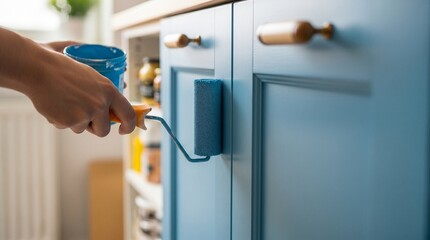
Have you ever walked into your kitchen and felt the cabinets made the entire room look older than it really is? Cabinets are one of the most noticeable features in a home, and over time, they can become faded, scratched, or outdated. While many homeowners immediately think about replacing them, refinishing often offers a more affordable and less disruptive way to achieve a fresh look. However, before starting Cabinet Refinishing Modesto project, an important question must be answered: what types of cabinets can actually be refinished?
The good news is that many cabinets are excellent candidates for refinishing. The key factors are not necessarily the age of the cabinets but rather the materials they are made of and their overall condition. Understanding which cabinets can be refinished and which may require replacement can help homeowners make informed decisions and maximize the value of their remodeling investment.
Understanding Cabinet Refinishing
Cabinet refinishing is the process of restoring and updating existing cabinet surfaces without replacing the cabinet structure. The goal is to improve the appearance of cabinets through cleaning, sanding, repairing, staining, painting, or applying a new protective finish.
Unlike cabinet replacement, refinishing allows homeowners to preserve their existing cabinetry while giving it an updated look. This approach can dramatically transform a kitchen, bathroom, laundry room, or other space without the expense of installing entirely new cabinets.
Refinishing works best when the cabinet boxes and doors remain structurally sound. Even cabinets that look worn or outdated may still be excellent candidates for refinishing if their underlying construction remains intact.
The success of the refinishing process depends heavily on the type of cabinet material and the condition of the surfaces being refinished.
Solid Wood Cabinets Are Ideal for Refinishing
Solid wood cabinets are generally considered the best candidates for refinishing. Because they are made entirely from natural wood, these cabinets can often be sanded, stained, and refinished multiple times throughout their lifespan.
One of the biggest advantages of solid wood is its durability. Even after years of use, many solid wood cabinets retain their structural integrity and can be restored to look nearly new through proper refinishing techniques.
Solid wood cabinets also offer flexibility when it comes to design updates. Homeowners can choose to preserve the natural wood grain with a new stain or completely transform the appearance with paint.
Common hardwood species used in cabinetry respond particularly well to refinishing because they can withstand sanding and surface preparation without compromising structural strength.
For homeowners seeking long term value, solid wood cabinets often provide the greatest refinishing potential.
Wood Veneer Cabinets Can Often Be Refinished
Wood veneer cabinets are another common cabinet type that may be suitable for refinishing. These cabinets consist of a thin layer of real wood applied over a composite or engineered wood core.
Because veneer contains genuine wood on the surface, it can often be refinished using many of the same techniques applied to solid wood cabinets. However, refinishing veneer requires greater care and precision.
The veneer layer is significantly thinner than solid wood, which means aggressive sanding can damage the surface. Proper preparation techniques are essential to avoid sanding through the veneer and exposing the material beneath.
When handled correctly, veneer cabinets can be successfully stained, painted, or refinished to achieve a refreshed appearance. Many homeowners are surprised by how dramatically veneer cabinets can improve through professional refinishing.
A careful evaluation of veneer thickness and overall condition helps determine whether refinishing is a viable option.
Cabinets Made From Medium Density Fiberboard
Medium density fiberboard, often referred to as MDF, is a manufactured wood product commonly used in cabinet construction. MDF cabinets are frequently finished with paint, laminate, or veneer surfaces.
Painted MDF cabinets can often be refinished successfully if the material remains in good condition. Surface preparation typically involves cleaning, repairing minor imperfections, sanding, priming, and repainting.
One advantage of MDF is its smooth and consistent surface, which can produce attractive painted finishes. However, MDF does have limitations when compared to solid wood.
Moisture exposure can cause MDF to swell or deteriorate if it becomes damaged. Cabinets that have experienced significant water damage may not be suitable candidates for refinishing.
When MDF cabinets remain structurally sound, refinishing can provide an effective way to update their appearance while extending their useful life.
Can Laminate Cabinets Be Refinished?
Laminate cabinets are often misunderstood when it comes to refinishing. Many homeowners assume that laminate surfaces cannot be updated, but modern refinishing techniques have made it possible in many situations.
Laminate cabinets feature a decorative synthetic surface bonded to a composite core. Unlike wood, laminate cannot typically be stained because it lacks natural wood grain.
However, laminate cabinets can often be painted if proper preparation techniques are followed. Thorough cleaning, surface scuffing, specialized primers, and high quality paints are critical for achieving durable adhesion.
The condition of the laminate is an important consideration. Cabinets with peeling, cracked, or severely damaged laminate may require repairs before refinishing can proceed.
While laminate refinishing may involve additional preparation challenges, it can still provide an affordable alternative to replacement when the cabinets remain structurally sound.
Thermofoil Cabinets and Refinishing Possibilities
Thermofoil cabinets consist of a vinyl coating that is heat bonded to engineered wood surfaces. These cabinets are popular because of their smooth appearance and affordability.
Refinishing thermofoil cabinets can be more challenging than refinishing wood or veneer cabinets. The vinyl surface is designed to resist moisture and staining, which can also make paint adhesion more difficult.
In some cases, thermofoil cabinets can be painted successfully using specialized preparation methods and bonding primers. However, the long term durability of painted thermofoil may vary depending on the condition of the original surface.
Peeling or delaminating thermofoil often indicates underlying issues that may limit refinishing success. When extensive damage is present, replacement may provide a better long term solution.
A careful assessment helps determine whether refinishing is practical or whether alternative options should be considered.
Painted Cabinets Are Excellent Refinishing Candidates
Many homeowners assume that once cabinets have been painted, refinishing options become limited. In reality, painted cabinets are often among the easiest types to refinish.
Existing paint can be cleaned, sanded, repaired, and recoated to create an entirely new appearance. Homeowners can update color schemes, correct wear and tear, and modernize their space without replacing the cabinets themselves.
Proper preparation remains essential. Peeling paint, surface damage, and previous coating failures must be addressed before applying a new finish.
Painted cabinets offer tremendous design flexibility because they can be refinished in virtually any color. This versatility allows homeowners to adapt their cabinetry to changing design trends and personal preferences.
For cabinets that remain structurally sound, repainting is often one of the most cost effective refinishing options available.
Factors That Determine Whether Cabinets Can Be Refinished
The material of the cabinets is only one factor in determining refinishing suitability. The overall condition of the cabinetry also plays a major role.
Structural integrity is one of the most important considerations. Cabinets with solid frames, functional doors, and stable construction are generally good candidates for refinishing.
Water damage can significantly affect refinishing potential. Swelling, warping, mold, and severe deterioration may indicate that replacement is necessary.
The quality of the original construction also matters. High quality cabinets often respond well to refinishing because they were built to last. Lower quality cabinets with extensive wear may not provide the same long term value after refinishing.
Existing finish conditions should also be evaluated. Some coatings can be successfully refinished, while others may require extensive preparation or removal.
A thorough inspection helps determine whether refinishing will deliver durable and attractive results.
Benefits of Refinishing Eligible Cabinets
Refinishing suitable cabinets offers numerous advantages for homeowners. One of the most significant benefits is cost savings. Refinishing generally costs substantially less than replacing cabinetry.
The process is also less disruptive. Because cabinet boxes remain in place, homeowners can often complete the project more quickly than a full renovation.
Environmental benefits represent another advantage. Refinishing extends the life of existing materials and reduces waste associated with cabinet disposal.
Aesthetic improvements can be dramatic. New finishes, colors, and coatings can completely transform the appearance of a room while preserving functional cabinetry.
For homeowners who are satisfied with their current layout and storage configuration, refinishing often provides an ideal balance between affordability and visual impact.
When Cabinet Replacement May Be Necessary
Although many cabinet types can be refinished, there are situations where replacement may be the better option. Extensive structural damage, severe water exposure, and poor quality construction can limit the effectiveness of refinishing.
Cabinets that no longer meet storage needs or functional requirements may also justify replacement. Homeowners seeking major layout changes often benefit from installing new cabinetry rather than refinishing existing units.
In some cases, repeated repairs and refinishing efforts may exceed the value of the cabinets themselves. A professional assessment can help determine whether refinishing remains practical or whether replacement offers greater long term benefits.
Understanding these limitations allows homeowners to make realistic decisions about their remodeling projects.
Final Thoughts
So, what types of cabinets can be refinished? The answer includes a wide range of cabinet materials, including solid wood, wood veneer, painted cabinets, MDF cabinets, laminate cabinets, and even some thermofoil cabinets. The key factors are the material, condition, and structural integrity of the cabinetry. When cabinets remain sturdy and functional, refinishing can provide a cost effective and environmentally responsible way to refresh their appearance and extend their lifespan. By understanding which cabinets are suitable for refinishing, homeowners can make informed decisions that enhance both the beauty and value of their living spaces.