A closed terrarium mimics a tropical climate – warm and humid with little light. Plants that do well in this environment include succulents, ferns, mosses and everlasting flowers. Plants in a terrarium are susceptible to disease because of the confined nature of the space. A sterilized growing medium is best for this type of container, such as a prepackaged peat lite mix.
Flower Preservation
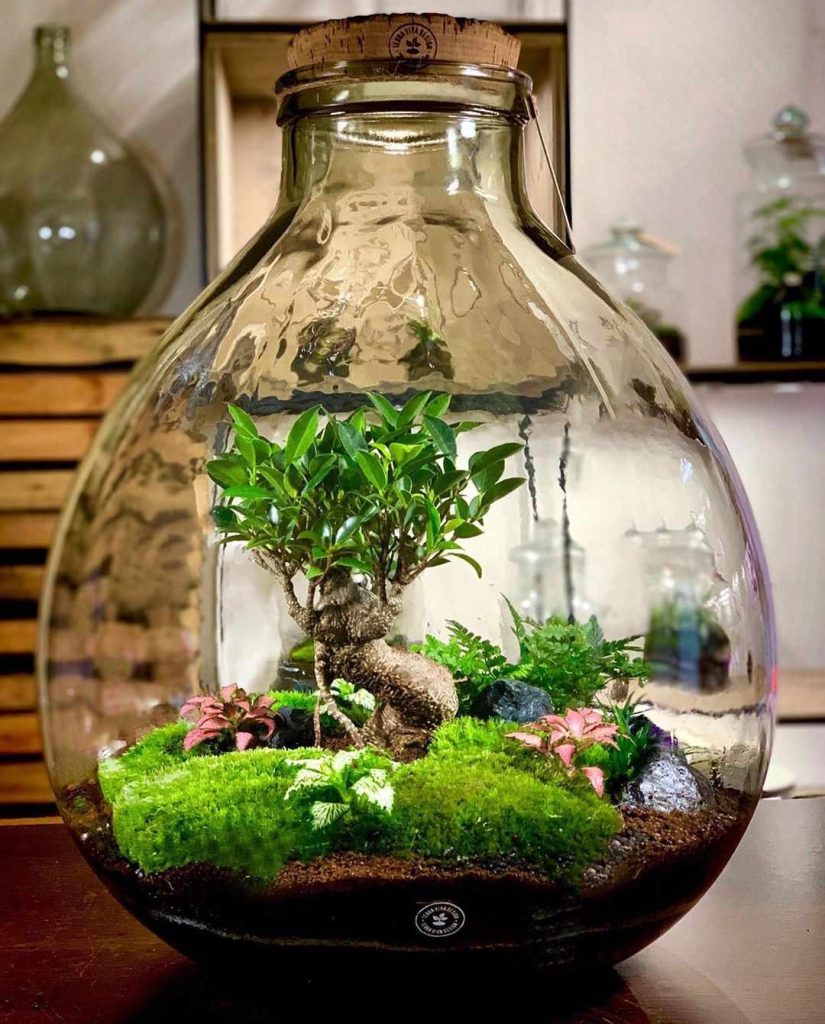
Using preserved flowers and plant material in Terrarium Designs adds a unique, natural feel to any room. These decorative elements will stay vibrant and lustrous for months or even years with minimal care, thanks to a special preservation process that stabilizes the flowers or plants without chemicals or synthetic fabrics. This long-lasting beauty makes terrariums an excellent alternative to cut flowers for rustic decor, keepsakes, and gifts.
There are a few different flower preservation techniques, each with its own benefits and drawbacks. Air-drying flowers is simple and inexpensive, but may result in a vintage dried-flower look. Air-dried flowers can also be more fragile than other preservation methods.
Pressing flowers flat is another classic preservation method. This involves sandwiching flowers between layers of breathable materials (like parchment paper or cotton), then applying pressure to the flower through heavy books or a dedicated flower press. The pressure forces the water out of the flowers, resulting in flat blooms that retain their shape and color. Pressed flowers can be framed for display in a shadow box-style frame, or encased in resin to protect them and make them long-lasting.
Another popular flower preservation technique is freezing flowers in a vacuum chamber. This process removes the water from the flower through sublimation, a process where the ice crystals turn directly into vapor. Freeze-dried flowers are extremely long-lasting, and many of the original color remains – even in white or light green flowers.
Finally, paraffin wax can be used to preserve some flowers. This is a relatively new preservation method, but has been shown to be effective in keeping flowers and leaves vibrant. It’s important to use a quality paraffin wax to ensure longevity and avoid the formation of bubbles.
While terrariums can be enjoyed all year round, they are especially well-suited to seasonal and holiday displays. By reusing organic materials, terrariums create their own microclimate and conserve moisture for the plants inside. This reduces stress and the need for frequent watering, helping the terrarium ecosystem thrive. To change the season, simply swap out or accent the terrarium with seasonal plants and decorations such as cheerful spring blooms, festive autumn leaves, or winter-themed ornaments like pine cones and holly.
Plant Selection
Choosing the right plants is as crucial to a terrarium design as it is for designing a house or building. The plants in a terrarium are what will create the atmosphere, shape and form of the display, as well as meet the needs of the plant inhabitants. It is essential to envision the plant selection in the long term and to choose plants that will not crowd out the other plants in the terrarium.
Terrarium designs often include a mix of low to high-growing plants that add color, texture and visual interest to the display. Many terrarium plants thrive in the humidity and closed environment of a terrarium, but there are also many that do not. Many plants grow too quickly to fit comfortably in a small, closed space, and trimming, pruning and pinching back is necessary to keep them contained.
Some popular terrarium plants are ferns, such as the architectural fronds of Microgramma or Asplenium, and the tropical Asparagus fern (Chamaedorea elegans). Ferns also act like living sponges to absorb excess water and help regulate humidity.
Other popular plants for terrariums include calathea, with their dramatic foliage shapes and colors, ivy (Hedera helix), which can add cascading beauty to the display, and peperomia plants, which come in a variety of forms including creeping types that provide ground cover and upright ones that can be used as focal points. Peperomia plants are easy-care and available in a variety of colors, from green to variegated to purple-toned.
Another great plant for terrariums is the polka dot plant, with splashes of red and silver on its eye-catching leaves. Polka dot plants require bright, indirect light and are tolerant of the humidity and closed environment of a terraria.
Mosses are also a common component in terrariums. Buzo uses coconut coir as the planting medium, and she incorporates a range of mosses into her displays, from pincushion moss (Leucobryum) in pillowlike tufts that look “like miniature, grassy hills,” to rock cap moss (Dicranum), which looks like moss growing on stone hardscapes.
Other natural materials such as rocks, sticks, bark and seedpods add pleasing accessories to terrarium designs. Small ceramic figures of frogs, mushrooms and snails may be added to suggest a natural setting. Plant-supply departments and garden centers sell a range of terrarium accessories, but care must be taken when using anything artificial to avoid introducing insects or disease.
Terrarium Design
Terrariums create miniature ecosystems that mimic nature, and they are a fun and interesting way to grow plants indoors. They are especially useful for houseplants that do not grow well in normal home atmospheres. They also provide a novel method for displaying plants in a glass container. However, terrariums are not without their problems, and they can require a little extra care to make them a success.
Observe the terrarium closely for the first few weeks after planting to look out for any disease or pests that may appear. Then, you can take steps to prevent them from spreading to other plants in the container or to the surrounding indoor environment. If a plant starts to show signs of disease, such as root or leaf rot, it should be removed promptly to prevent the fungus from spreading. In addition, the soil in the affected area should be allowed to dry a bit. This will help reduce future outbreaks of fungus in the affected plant and the growing medium in the terrarium as a whole.
It’s best to use a natural material for the drainage layer in a closed terrarium, such as coarse gravel or pebbles. Add a half-inch layer of this to the bottom of the container. Then put a sterile, soilless potting mix on top of the gravel. Sprinkle a small amount of horticultural-grade charcoal on the soil to prevent fungi from growing on the gravel when it gets wet.
A closed terrarium will last longer than an open one, but it still requires some regular observation to ensure the ecosystem is healthy. If you notice that the air in the terrarium is too humid, it’s a good idea to open the lid for an hour and allow the moisture to evaporate. This helps to maintain a healthy balance of water, nutrients and carbon dioxide.
If you prefer to try your hand at an open terrarium, select plants that are naturally resilient or slow-growing. Cacti and succulents, for example, can be displayed in an open terrarium for long periods because they are native to arid conditions and do not require as much moisture.
Terrarium Maintenance
Terrariums are an excellent alternative to traditional houseplants, but they do require some special care. A few simple steps can help them thrive and provide a beautiful botanical aesthetic to your home.
The key to a healthy terrarium is regular observation. Terrariums tend to live off small amounts of trapped moisture, so they rarely need watering as houseplants in pots do. Instead, water a terrarium when the soil or moss feels dry to the touch. A gentle misting of the soil and plants is usually enough to keep it moist.
A terrarium’s glass container can trap heat, so it is important to place them away from direct sunlight. This prevents the terrarium from becoming an overheated sauna and damaging the plants within. However, terrariums that receive bright indirect light, like those placed near windows with filtered sunlight, can benefit from occasional direct sunlight to increase their growth and bloom.
Terrariums often have a variety of plants that will need to be trimmed and pruned regularly to keep them in a manageable size. Regular pruning encourages plant health and promotes a balanced ecosystem. In closed terrariums, where the plants are growing closer together, this is especially important to prevent overcrowding and to maintain a tight lid seal.
Even terrariums with an open design should be fertilised to ensure the plants stay lush and green. Use a liquid plant food designed specifically for tropical plants. A light application once a month is usually sufficient.
If the terrarium has a dense layer of white fungi growing on its surface, simply lift the lid for a few hours to reduce humidity and allow some of the spores to escape. These fungi are saprophytes, which decompose organic matter and are part of the natural ecosystem of a terrarium, but they can become unsightly when their growth is uncontrolled.
Closed terrariums need less maintenance than open ones, but they should still be opened occasionally to let some of the condensation escape and to check for any problems. It is a good idea to give the soil a gentle misting when opening the terrarium, as it may be surprisingly dry despite its closed environment.